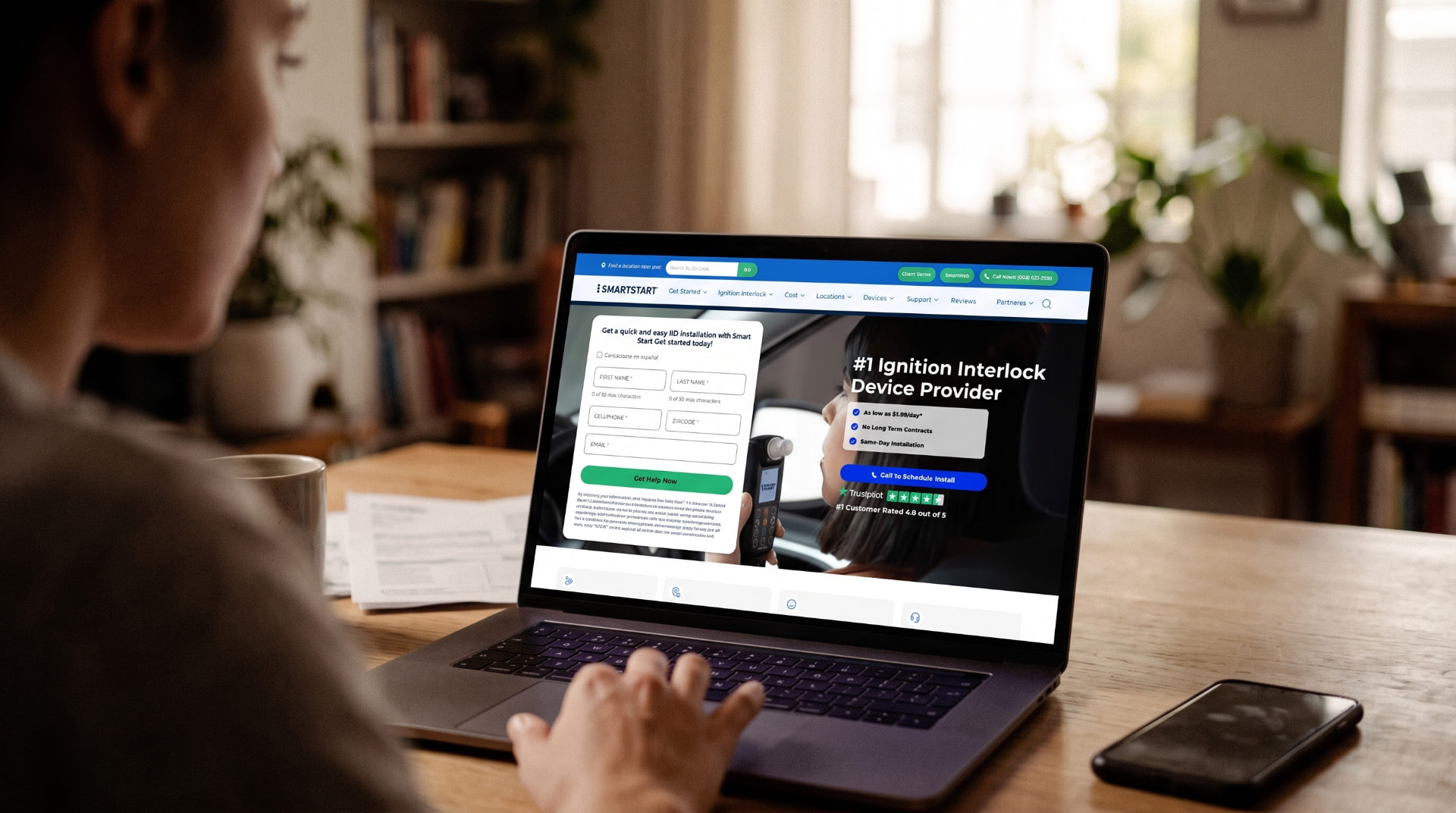
Client overview
Smart Start, an Apollo Global Management-owned company, is a nationally recognized leader in alcohol monitoring and breathalyzer technology, operating across numerous locations and jurisdictions. With significant transaction volume and complex technical infrastructure, their payment processing needed to be efficient, reliable and cost-effective. When VeriFee was introduced, Smart Start was working with multiple processors, lacked unified oversight of payment processing and was paying substantially higher-than-average fees under a bundled interchange model and inefficient routing structures.
The challenge
Smart Start's existing setup worked against them on cost and reliability:
- –Fragmented oversight. Multiple payment processors led to inconsistent service levels.
- –Hidden costs. The incumbent vendor's bundled interchange model obscured true costs and limited optimization.
- –Inflated fees. Excessively high assessments and non-interchange fees drove up total cost.
- –Weak support. No service-level agreements and inadequate support led to extended outages with little vendor response.
- –Embedded infrastructure. Hardware, gateways and software integrations were deeply embedded, complicating any move to a new vendor.
The result was a costly, fragile system that left Smart Start vulnerable to financial and operational inefficiencies.
What VeriFee did
VeriFee conducted a comprehensive, AI-driven statement and infrastructure analysis, then used the findings to lead a complete Request for Proposal process:
- 01Statement and infrastructure analysisAll processor relationships and fee structures reviewed to identify hidden inefficiencies.
- 02Technical evaluationIntegrations, hardware and routing mapped, with a path forward that preserved the current processor, hardware and software environment to avoid disruptions.
- 03Full RFP managementNearly all top-tier acquiring banks and processors targeted, with end-to-end communications, discovery calls and technical vetting.
- 04Negotiation and comparisonPricing negotiated, final bids gathered and a detailed side-by-side comparison built, with every proposal addressing native integrations, gateway needs and advanced debit routing.
Despite the complexity of the infrastructure, VeriFee identified a massive opportunity for improvement without requiring a vendor switch.
The results
- –$429,876 in identified potential annual cost reductions.
- –30 basis points off the effective processing rate.
- –11.89% savings in total processing fees.
- –71.34% reduction in non-interchange fees, a major efficiency gain in areas most vendors overlook.
"A 71%+ reduction in non-interchange fees through debit routing and pricing optimization, without any impact to our existing processor and technical integrations."
Smart Start chose to stay with its existing processor due to complex technical requirements. Even so, the optimizations VeriFee recommended positioned the company for a $132,421.27 annual cost reduction based on 2024 revenue, roughly a 22.3% cut in non-interchange related fees alone. Further upside remains through advanced debit routing, which could yield even more substantial savings, and surcharge program opportunities that could transform processing from a cost center into a potential profit center.
Key takeaways
- 0171.34% non-interchange reduction without switching processors or disrupting systems.
- 02RFP leverage across top-tier acquirers, managed end to end by VeriFee.
- 03A roadmap for the future through debit routing, monitoring and surcharging strategy.
Looking ahead, VeriFee's work has laid the groundwork for a common gateway platform that enables vendor-agnostic processing, continued optimization through advanced routing and cost analytics, and a surcharge strategy that could turn a cost center into a profit center. Smart Start now has the tools and insights needed to make more informed decisions, reduce financial waste and create a more resilient, cost-efficient payment infrastructure, all without disrupting its core operations.
“A 71%+ reduction in non-interchange fees, without any impact to our existing processor.”